Heritage Artistry in Every Creation
Where ancestral techniques meet contemporary expression. Our artisans carry forward generations of knowledge, transforming raw materials into objects that tell the story of South African culture.

The Hands That Shape Our Heritage
In the valleys of KwaZulu-Natal and the workshops of the Western Cape, skilled hands continue practices that have defined communities for centuries. Each piece emerging from our collective carries the weight of tradition alongside the spark of individual creativity.

Our woodworkers select indigenous timbers with reverence, understanding that each grain pattern carries its own narrative. Yellowwood, stinkwood, and blackwood become vessels of expression under their careful guidance. The textile weavers work with fibres that have adorned ceremonies and marked life transitions for untold generations.
The ceramicists among us draw from clay deposits that have served potters since before written history. Their techniques — the coiling, the burnishing, the natural firing methods — remain faithful to ancestral knowledge while accommodating contemporary sensibilities.
Explore Our Craft ServicesWood: The Living Medium
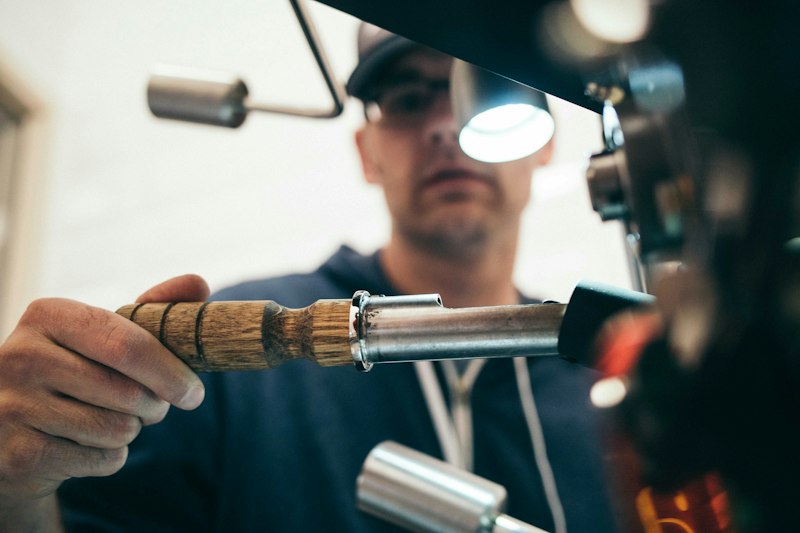
Woodworking in our tradition goes beyond mere carving. It represents a dialogue between artisan and material, a negotiation that respects the wood's natural character. Our craftspeople spend years understanding how different species respond to tools, how moisture and time affect form, how grain direction influences final appearance.
From functional items like serving bowls and utensils to decorative sculptures that capture wildlife and human forms, each wooden creation carries the distinct mark of its maker. The burnished surfaces, achieved through hours of patient polishing with natural materials, glow with an inner warmth that synthetic finishes cannot replicate.
Textile: Threads of Identity
The textile traditions we preserve speak to identity, status, and belonging. Patterns passed down through family lines encode meanings that outsiders may never fully grasp — yet their aesthetic power communicates across all boundaries.
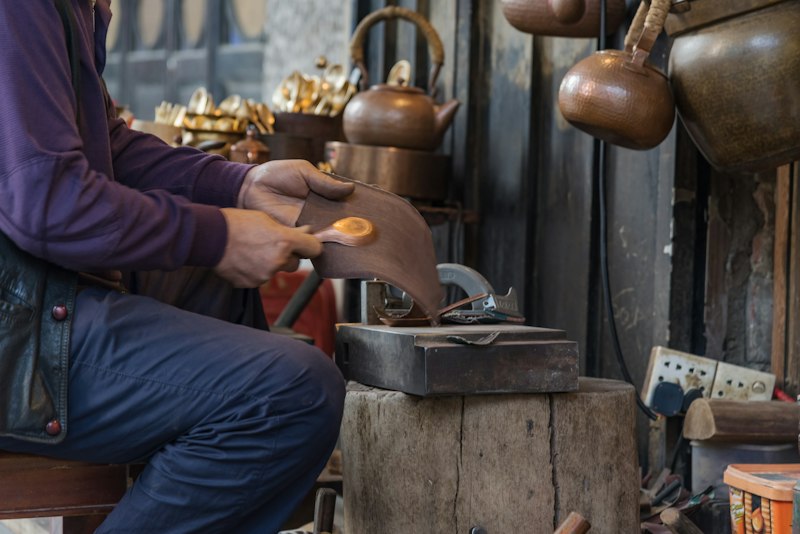
Our weavers work with both traditional and contemporary materials. Some maintain strict adherence to ancestral methods, using plant-based dyes and handspun fibres. Others incorporate modern yarns while preserving traditional patterns and techniques. Both approaches honour the spirit of continuous cultural evolution.
Wall hangings, throws, garments, and accessories emerge from these looms. Each thread placement is intentional, each colour choice meaningful. The rhythmic process of weaving itself becomes a meditative practice, connecting the maker to countless predecessors who moved their hands in these same patterns.
Commission Your Own Piece
Work directly with our artisans to create something uniquely yours
View Commission OptionsCeramics: Earth Transformed
The ceramic tradition holds particular significance in our practice. Clay vessels have served as containers for food, water, and ceremonial substances throughout South African history. Our potters maintain these functional traditions while also exploring purely artistic expressions.
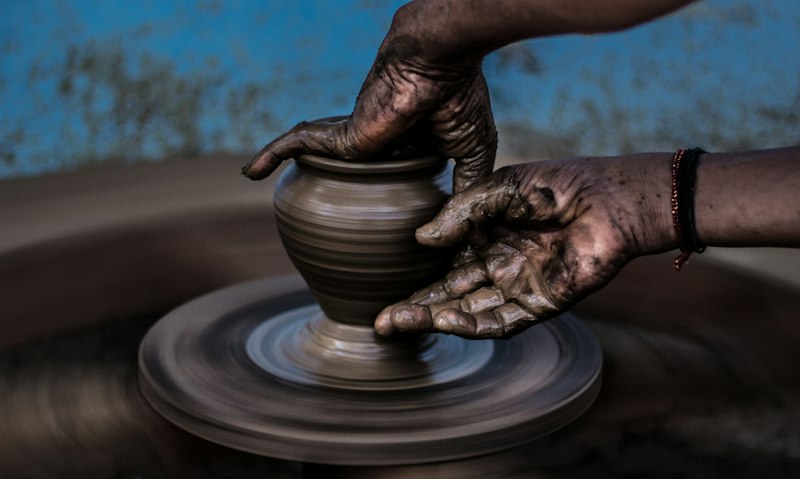
The process begins with clay preparation — cleaning, kneading, and aging the material until it reaches optimal workability. Hand-building techniques dominate, though some artisans have adopted wheel-throwing while maintaining traditional decorative approaches. Surface treatments include incising, impressed patterns, and applied decorations that reference both natural forms and cultural symbols.
Firing methods vary from modern kilns to traditional pit firing, where unpredictable interactions with flame and smoke create unique surface effects. The smoke-darkened areas and flash patterns that result from pit firing cannot be precisely controlled or replicated, making each piece singular.
Learn About Our ArtisansWhy These Crafts Endure
In an age of mass production and disposable goods, handmade objects carry meaning that manufactured items cannot match. When you acquire a piece from our collective, you receive more than a physical object. You receive hours of focused attention, years of accumulated skill, and centuries of cultural knowledge.
These objects age differently than factory products. They develop patina, carry the marks of use, and often become more beautiful with time. They can be repaired, restored, and passed to future generations. They resist obsolescence because their value lies not in novelty but in enduring craftsmanship.
Supporting traditional crafts also sustains communities. The income generated flows directly to artisans and their families, enabling continuation of practices that might otherwise disappear. Young people see viable futures in traditional skills, ensuring knowledge transmission continues.
Request Information
Tell us about your interest and we will connect you with the right artisan